
Bidhya Chapagain is a journalist from Nepal who works mainly in television and digital media. She is known for telling real-life stories of ordinary people through long-form video reporting. Since 2018, she has been presenting Herne Katha, a documentary series that focuses on social life, struggles, and everyday realities across Nepal.[1]
Bidhya Chapagain
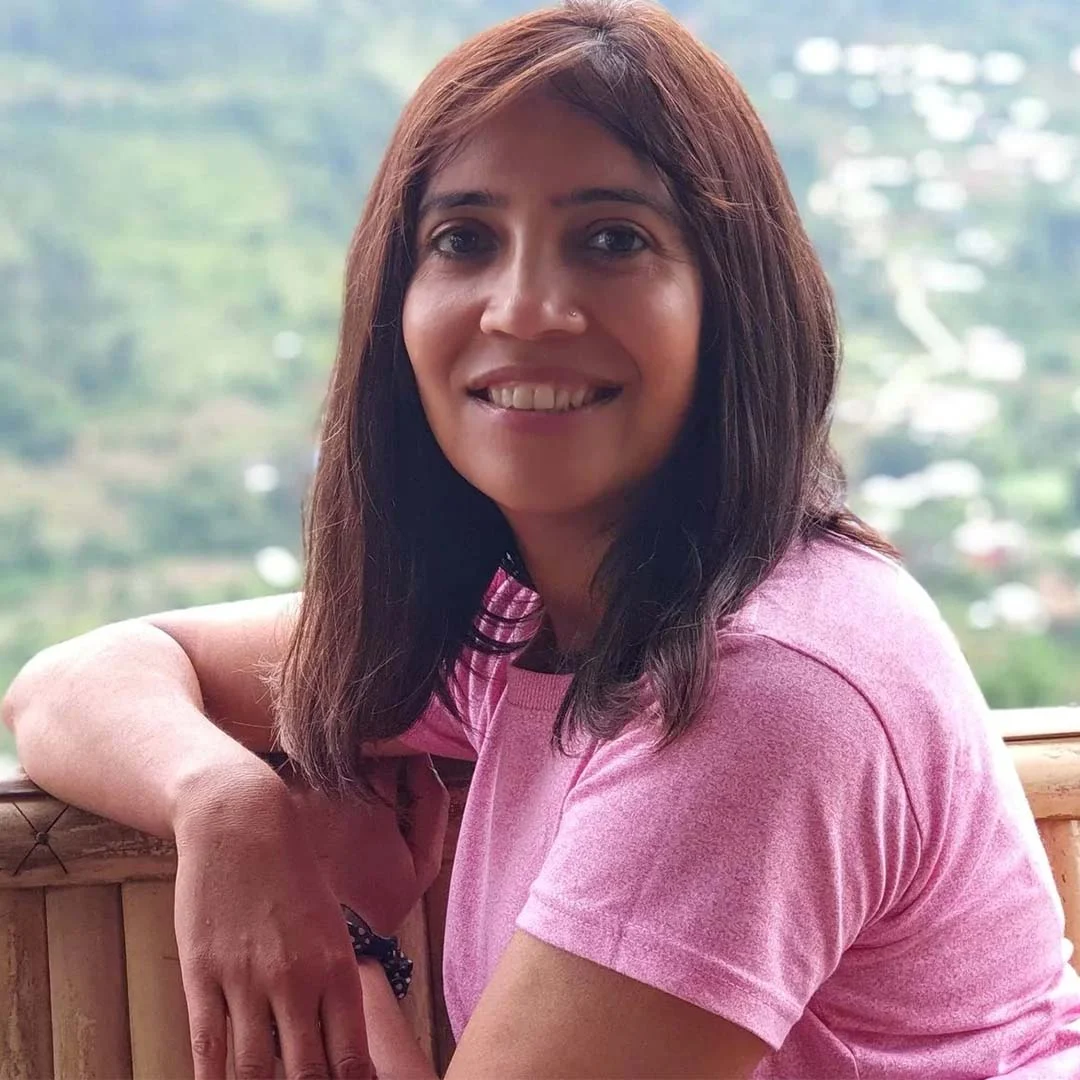
| Born | 24 May 1983 (age 42) |
|---|---|
| Birthplace | Kathmandu, Nepal |
| Nationality | Nepali |
| Education | Tribhuvan University |
| Work | Journalism, Television |
| Known for | Herne Katha |
| Children | Juntara |
Work life
Bidhya Chapagain started her career in journalism through radio and newspapers before moving into television. She later became widely recognised after joining Sajha Sawal, a weekly discussion programme on Kantipur Television. She hosted the show from 2014 until early 2018, when it was among the most watched debate programmes in the country.[2]
After leaving Sajha Sawal, she decided to work independently. Along with filmmaker Kamal Kumar, she started Herne Katha. The programme slowly gained attention for its quiet style and focus on people who rarely appear in mainstream media. Over time, it became one of the most followed documentary channels from Nepal on YouTube.[3]
Early life
Chapagain grew up in Gothatar, Kathmandu. Her family background was simple, and she spent much of her childhood helping at home. During school years, she developed interest in news by listening to radio programmes and reading newspapers. She has said that her mother’s encouragement played a strong role in continuing her education and choosing journalism.[4]
Films and recognition
Chapagain worked as co-director on the documentary The Man Who Died Once. The film received the Best Documentary Award at the Kathmandu International Mountain Film Festival in 2018 and was discussed widely in Nepal’s documentary community.[5]
In 2022, Bagh Ko Bangara, produced by Chapagain and directed by Kamal Kumar, won the Audience Award at KIMFF. The documentary presents stories connected to rural life and traditional work practices in Nepal.[6]
References
- Herne Katha – Official Website ↑
- ‘Redefining journalism’: how Nepali YouTube series Herne Katha goes off the beaten track to bring untold stories to light – South China Morning Post ↑
- 'Bagh Ko Bangara' found while searching for Herne Katha – Setopati ↑
- 'Marisakeko Manchhe' ma bauriyeka kura – Shilapatra ↑
- Kathmandu International Mountain Film Festival 2018 ↑
- Film 'Bagh Ko Bangara' to premiere at KIMFF – Online Khabar ↑